01
The brief
The story
The FDNY, the nation’s largest fire department, needs New Yorkers to trust what it says during emergencies and to understand its work the rest of the year.
The angle
Treat every incident like a developing story: confirm, coordinate, then communicate clearly before speculation fills the gap.
The reporting
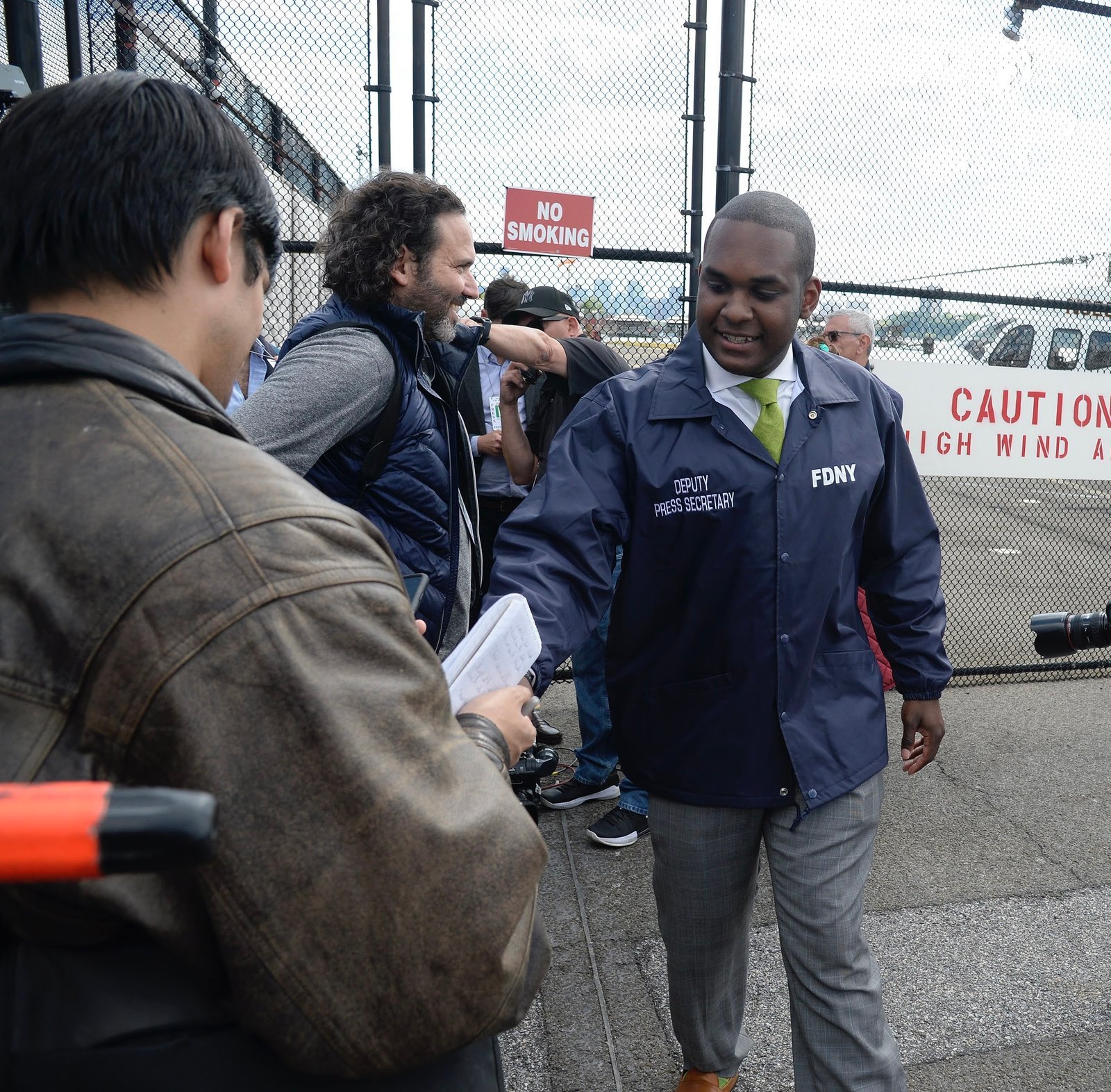
We led crisis communications from the podium, briefed city and state leaders, prepared senior staff for the press and grew the department’s social channels.
The impact
Timely, accurate information through high-profile incidents, including a helicopter crash and a data breach, and a far bigger, more engaged audience.
02
Helicopter crash
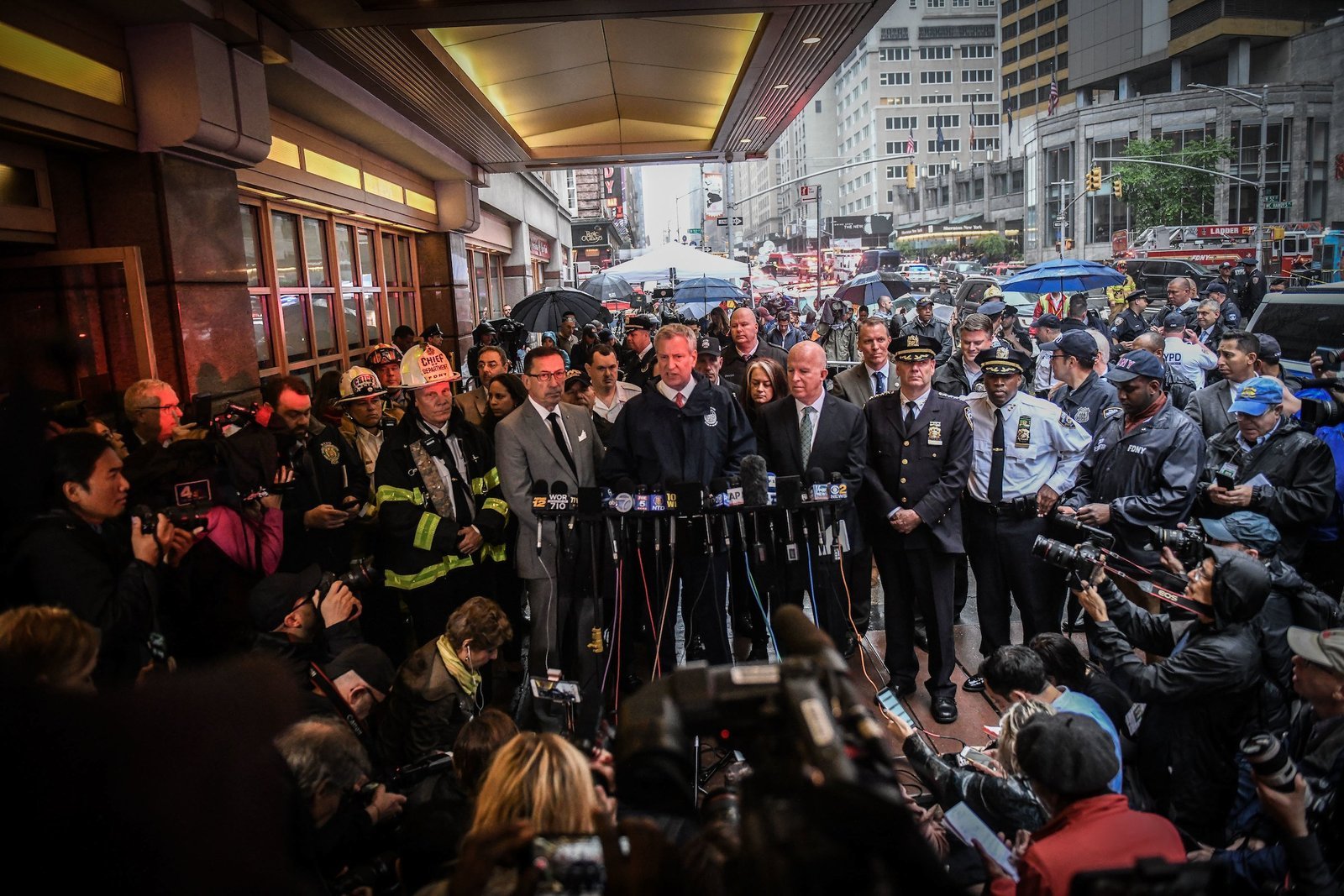
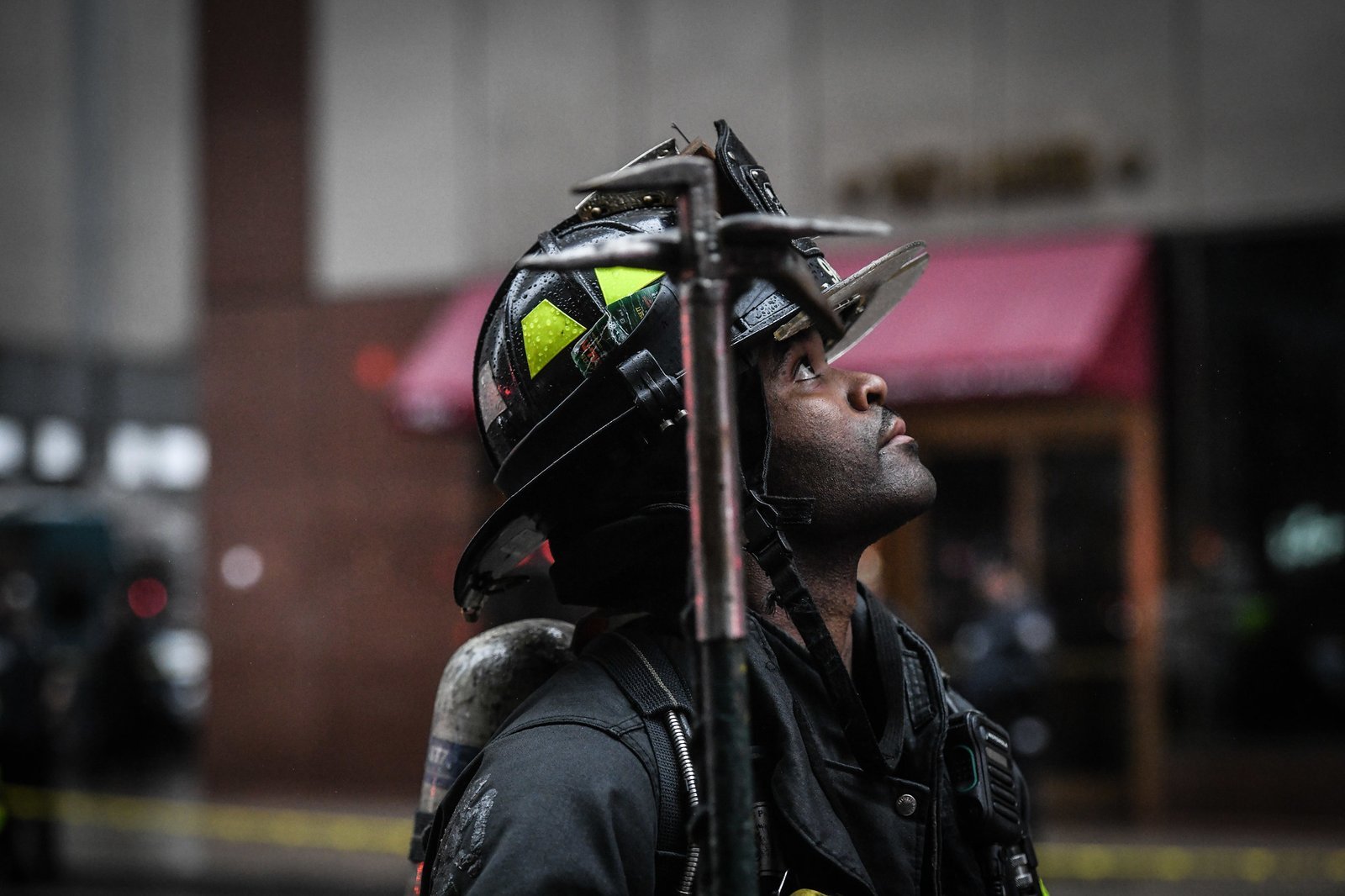
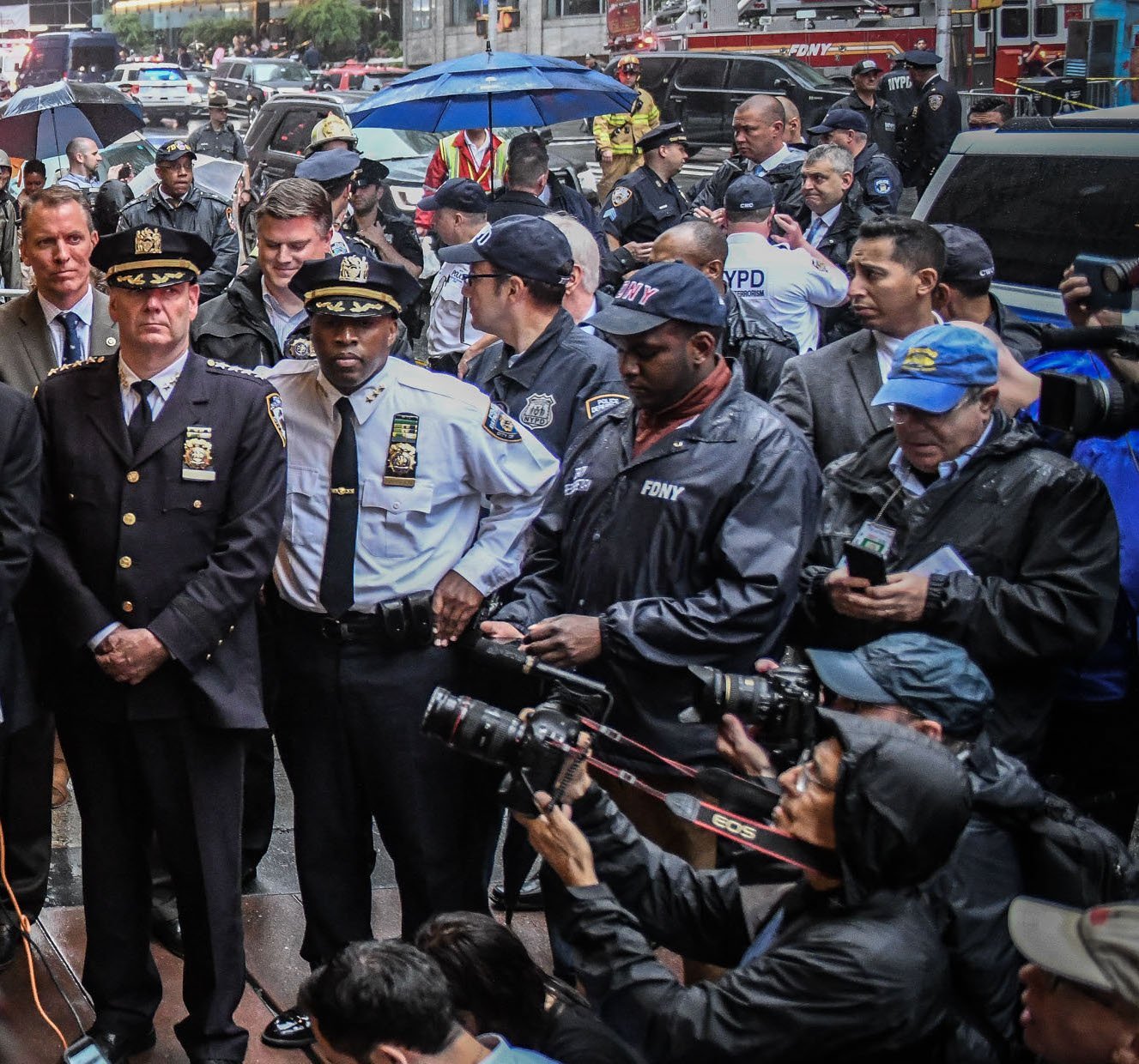
When a helicopter crashed in Manhattan, the first hours decided whether the public heard facts or rumors. We engaged the press and public immediately with regular, confirmed updates.
- Served as the department’s lead spokesperson, delivering clear, accurate information and correcting misinformation as it surfaced.
- Coordinated closely with the NYPD and other agencies so every update matched.
- Briefed Mayor Bill de Blasio, Governor Andrew Cuomo and the Fire Commissioner on what would be said publicly, so every leader spoke from the same facts.

03
Data breach response
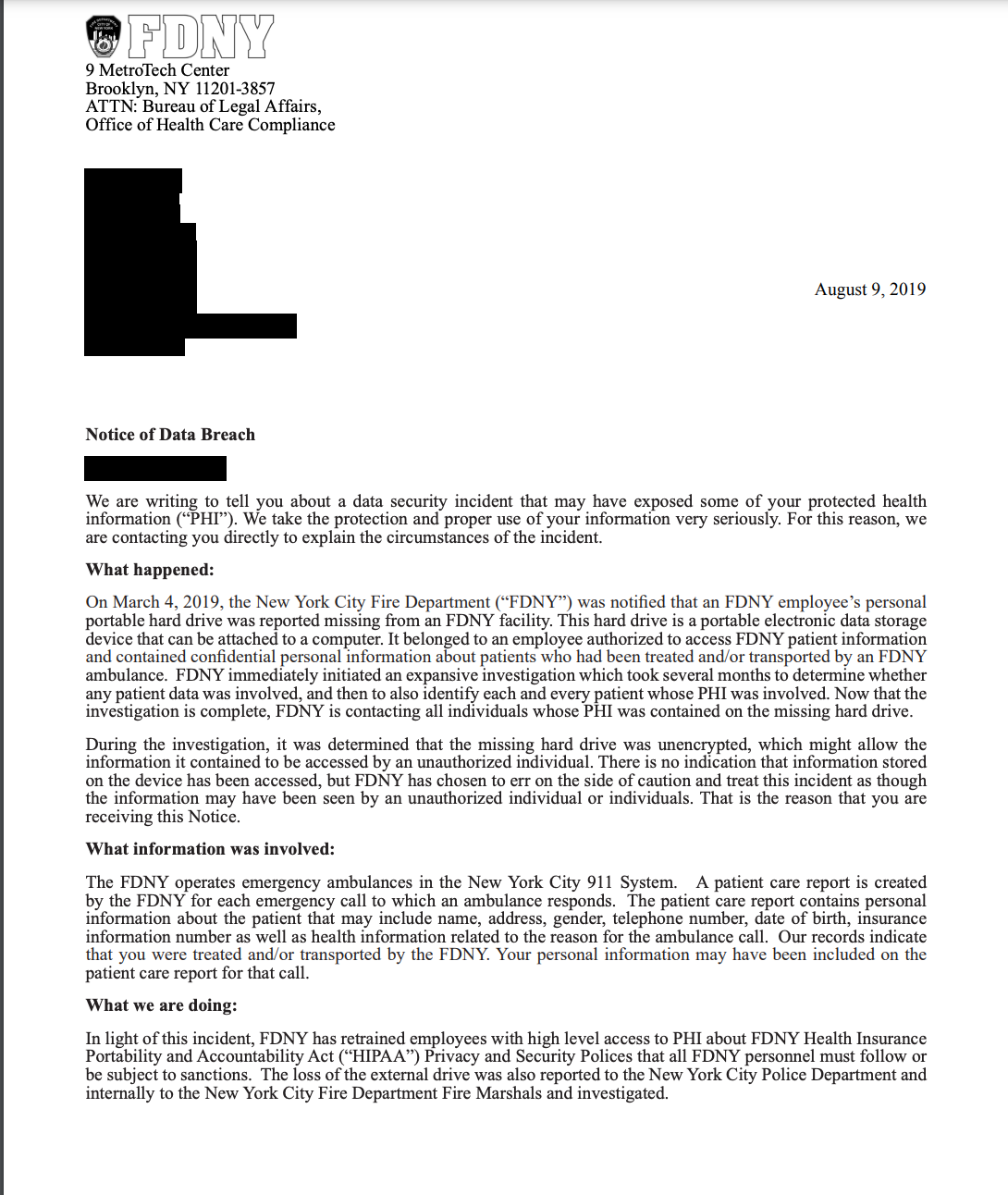
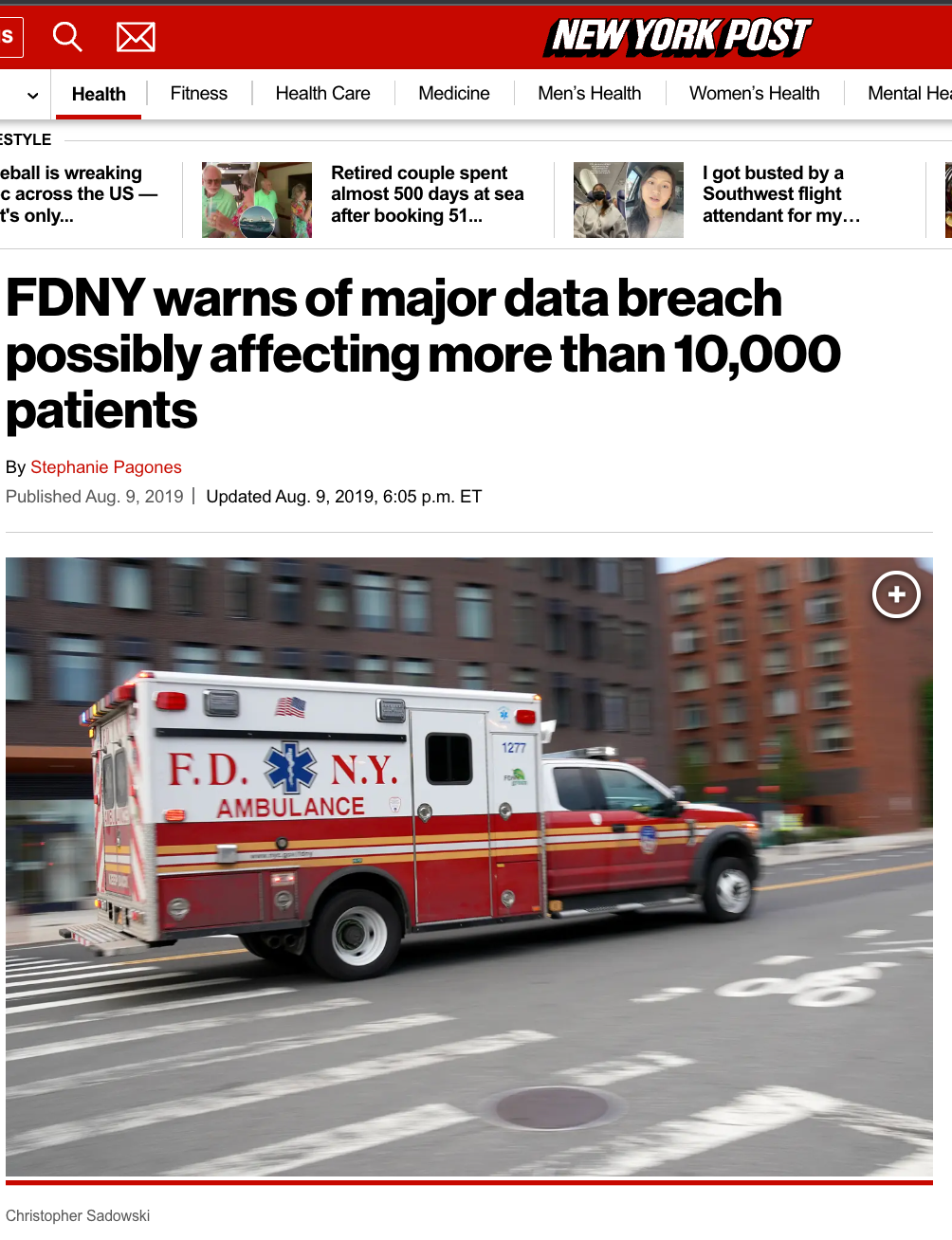
When patient information was exposed, transparency was the only way to keep trust. We explained what happened, who was affected and what the department would do about it.
- Built the response with the department’s HIPAA compliance team, including free credit monitoring for affected people and retraining for employees.
- Notified affected individuals on the timeline the law requires.
- Kept the public explanation precise: what happened and what didn’t.
This was not a hacking, but a loss of data caused by one employee’s failure to follow the department’s data security policies.
FDNY spokesman Myles Miller
04
Building the audience
Between emergencies, the job is to earn attention so it’s there when it matters. We expanded the FDNY across Facebook, Twitter, Instagram and YouTube with a content mix of safety tips, behind-the-scenes access and stories about the people who do the work.
- Live streams, interactive posts and real answers to questions built a sense of community and transparency.
- During major incidents, social became a real-time source of updates, safety information and reassurance.
- Senior leadership was prepared to represent the department confidently in interviews and press conferences.